

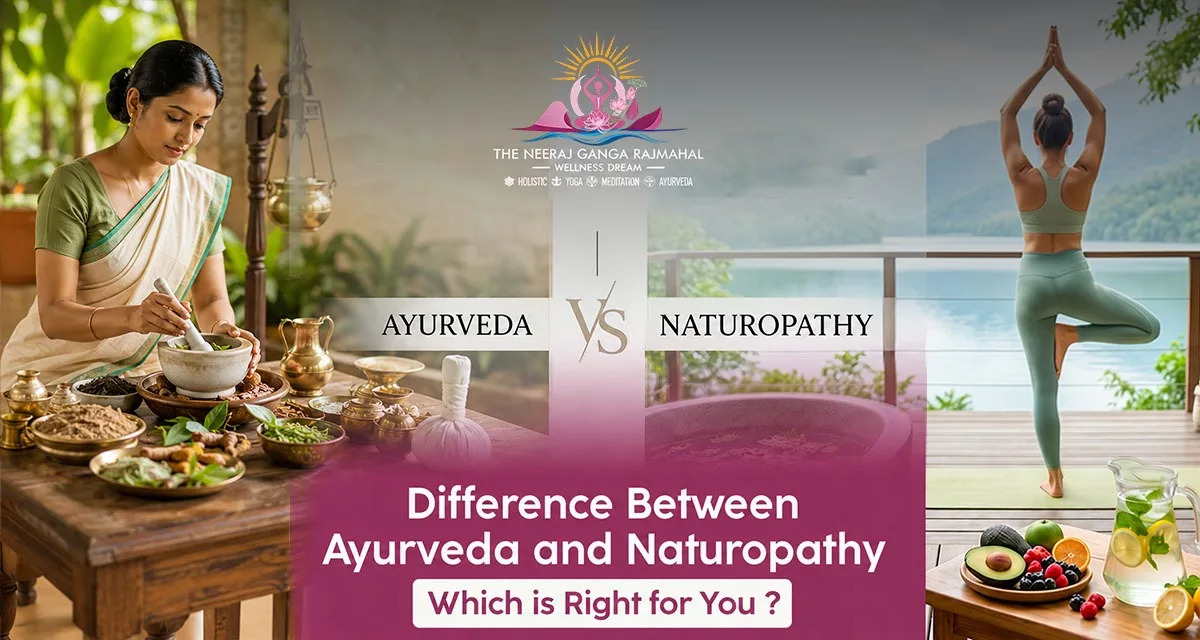
You hear so much about Ayurveda and naturopathy from many people if you look to heal health issues naturally. Both centre around improved everyday patterns, normal parental care, and a better standard of living. Nevertheless, the difference between Ayurveda and naturopathy can offer you a clearer idea of what works best for you.
The two follow an adaptable framework. Your eating plan, habits, preferences, and health needs. Here, in brief terms, is what it takes to make the best, intelligent, and informed choice for you.
This traditional Indian medicine system works harmoniously alongside this approach to whole body health. That’s where it takes into account the foods you eat, the way you sleep, move, stress, and all aspects of your daily routine. Your plan might look a little different once the practitioner knows your bodily type and current conditions and your general routine.
Ayurvedic care may include:
Those of you looking for an approach to well-being that’s more holistic and gradual (rather than some kind of miraculous cure) might be tempted by what you read of Ayurvedic principles for your self-care regimen.
Naturopathy is a more recent system of natural healing. While it originated from many ancient traditions, it became particularly popular throughout the 1800s in Europe and America.
The fundamental principle of naturopathy is easy — your body possesses a natural ability to heal itself. It just needs the right conditions to thrive, however. There is a proper condition in which your body heals itself with the help of a naturopath that comes through food, water, sunlight, exercise, fresh air, and rest.
A naturopathy plan may include:
Naturopathy relies on the absence of any medicine, including herbal medicines. It is a detoxification with fasting, mud baths, steam baths, hydrotherapy, and massage to assist relaxation and nutritional counselling. Hence, the concept is to try to eliminate toxins from the living system, and this is where nature takes over.
Aspect | Ayurveda | Naturopathy |
Origin | Ancient India (over 5,000 years old) | Modern Europe & America (200+ years old) |
Core Philosophy | Balance of Vata, Pitta, and Kapha doshas | The body’s self-healing power |
Treatment | Herbal medicines, oils, diet, yoga, and panchakarma | Fasting, detox, hydrotherapy, and mud therapy |
Personalisation | Highly personalised based on dosha type | More general lifestyle advice |
Use of Medicines | Uses herbs and natural formulations | Avoids all medicines |
No one answer applies to everyone. Which is better depends on what you are seeking from your wellness journey.
Choose Ayurvedic if you want to get a more personalized one, including supplementary care, some meal guides, yoga, meditations, and a calm routine.
When the need of the hour is lifestyle changes, mainly natural surroundings, exercises, rest, and fundamental food habits, then choose naturopathy.
In fact, you might be inspired by either of them. For instance, following a healthy diet, increasing outdoor leisure time, participating in some yoga, or getting together with a variety of good sleep. Your main concern will be choosing a regimen that you can afford.
Aspect | Ayurveda | Naturopathy |
Focus | Brings the whole body into balance – mind, body, and spirit | Removes toxins and supports the body’s natural healing power |
Best For | Chronic issues like arthritis, digestive problems, skin disorders, and hormonal imbalance | Lifestyle issues like stress, fatigue, low energy, and general detox |
Scientific Backing | Thousands of years of traditional use and growing modern research | Based on natural hygiene principles with limited clinical studies |
Diet Approach | Personalized diet based on dosha and season | Mostly plant-based, whole foods, and periodic fasting |
Before undertaking the programme, take professional advice on your general health status, health problems in particular – especially if you are expecting or on medication for a condition, and particularly at stages of high acute or extreme health.
While natural care can certainly help you with wellness, it is no substitute for urgent medical care. For serious or sudden health concerns, always seek medical advice.
Focus on yourself, and this will help you choose Ayurveda or naturopathy which is better. Consider this: Would you like a personalised wellness plan, traditional curative therapies, nutritious food, yoga, and space for lots of recovery? If the answer is Yes, then Ayurveda might seem like the way.
Take an escape into an unwinding Ayurvedic wellness journey in Rishikesh at The Neeraj Ganga Rajmahal Wellness Dream. The well-thought-out stays that include holistic Ayurvedic treatments, wholesome organic cuisine, calming Yoga & Meditation, all complemented by an ideal location by the banks of the River Ganga. If you’re seeking a getaway to unwind, get back into your wellness habits, and emerge refreshed, The Neeraj Ganga Rajmahal Wellness Dream is your ideal destination for your well-deserved wellness vacation.
Also read: Panchakarma Treatment in Rishikesh: Process, Benefits, and Duration