


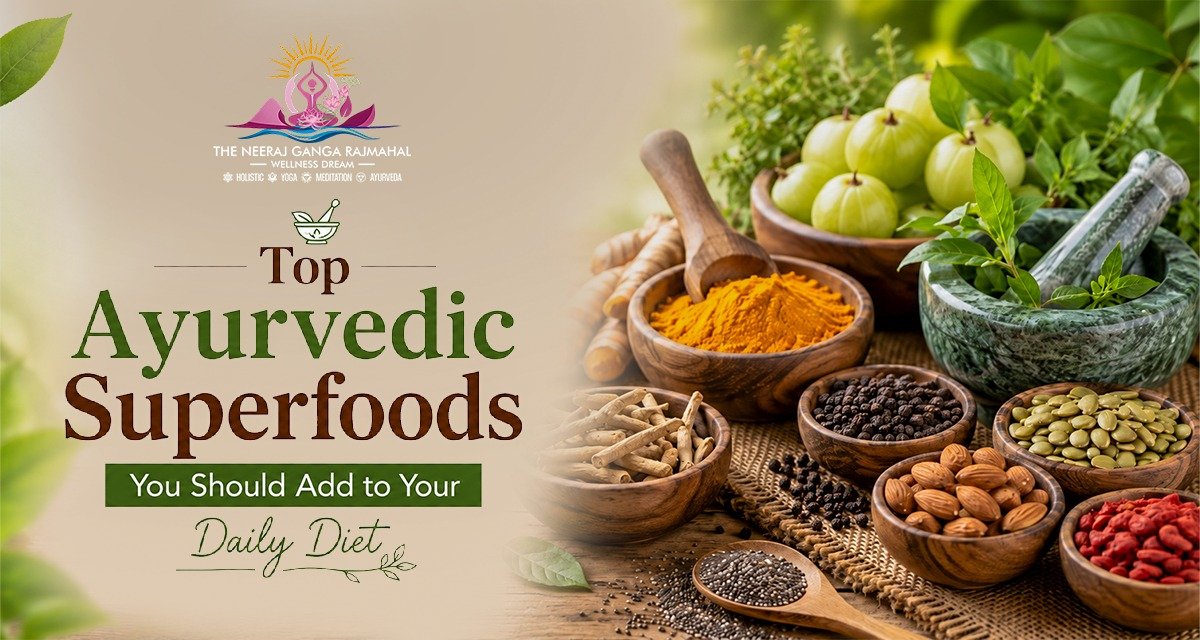
Most people don’t realise that what they eat three times a day is, in a quiet way, either working for them or against them. Ayurveda figured this out thousands of years ago. Long before the word “superfood” became a marketing term, Ayurvedic texts were already cataloguing specific foods and herbs that support digestion, strengthen immunity, calm the nervous system and keep the body in balance. These weren’t exotic imports — most of them grew in Indian kitchens and forests and many still do.
The difference between Ayurvedic superfoods and the popular, trend-driven kind is simple. Ayurveda doesn’t just ask whether a food is nutrient-dense. It asks whether it suits your body type, your digestive fire and the current season. That said, there’s a core group of foods that are broadly beneficial — and that is what today’s blog is about.
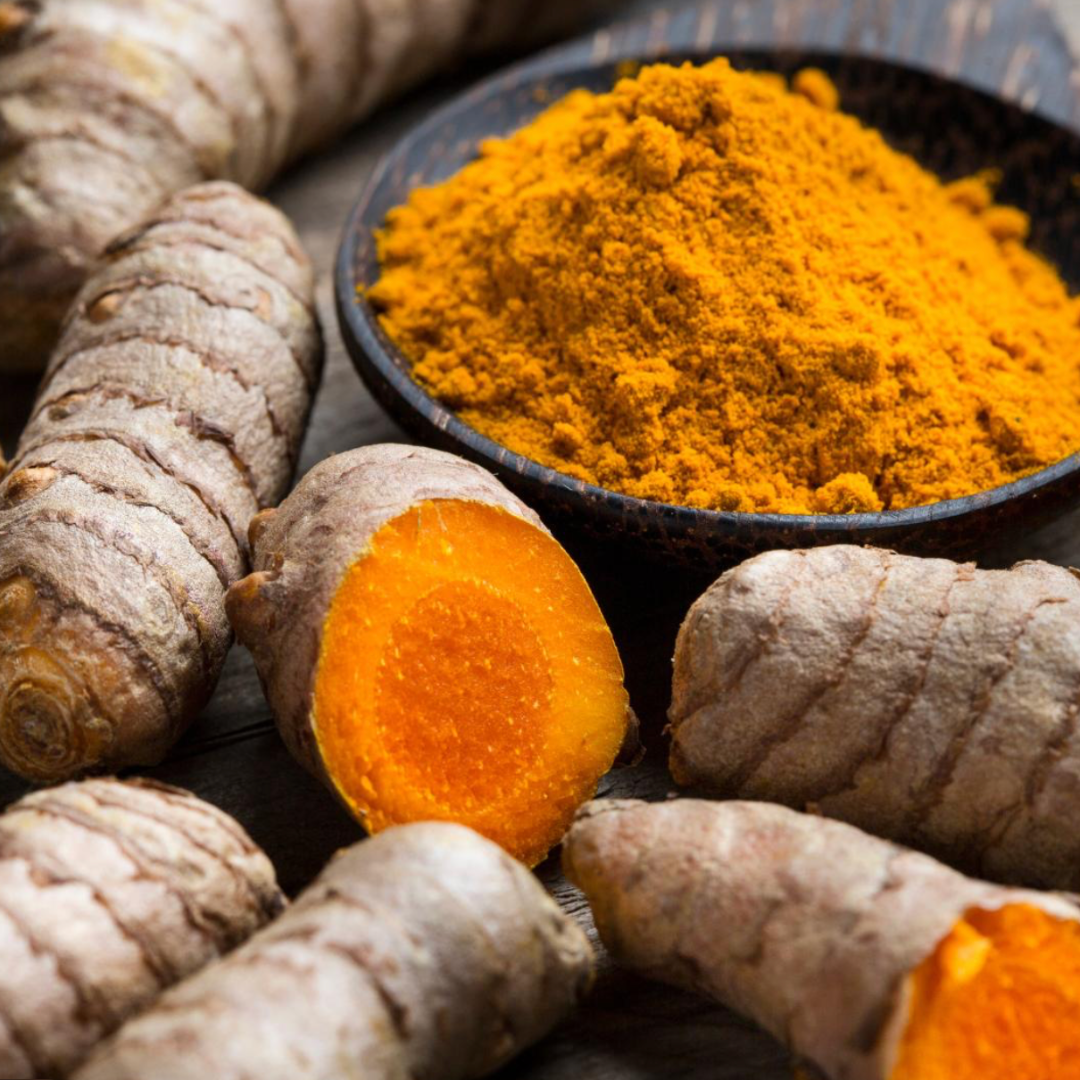
If there’s one ingredient that bridges Ayurveda and modern nutritional science, it’s turmeric. Curcumin, the active compound in turmeric, has been studied extensively for its anti-inflammatory properties. But Ayurveda valued turmeric long before labs confirmed what it does. It’s used to support joint health, aid liver function, improve skin clarity and help the body process toxins.
The key is absorption. Curcumin on its own doesn’t absorb particularly well. Adding a pinch of black pepper and consuming it with a fat such as ghee makes a real difference. A warm glass of turmeric milk at night, done consistently for a few weeks, is one of the simpler things you can do for your baseline inflammation levels.
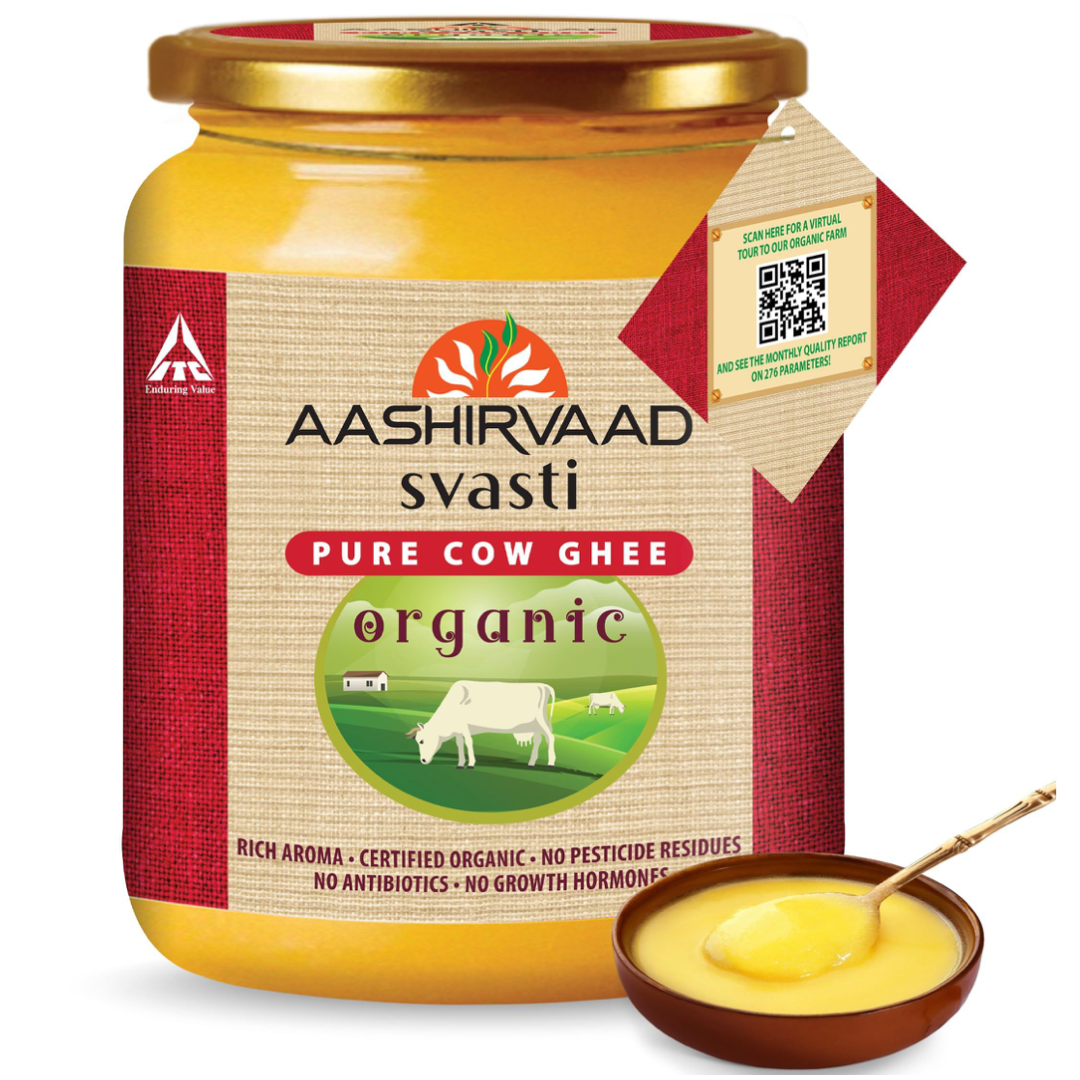
Ghee went through a bad reputation phase, largely because of the low-fat diet craze of the 80s and 90s. Ayurveda never agreed with that verdict. Clarified butter made from cow’s milk has been considered one of the most important Ayurvedic diet foods for millennia — not as an indulgence but as medicine.
In small quantities, ghee lubricates joints, nourishes the nervous system, improves the absorption of fat-soluble nutrients and is said to enhance ojas — the Ayurvedic concept of vitality and immunity. It’s also surprisingly easy to digest compared to regular butter because the milk solids have been removed. One teaspoon with a meal, particularly with grains, is the classic recommendation.
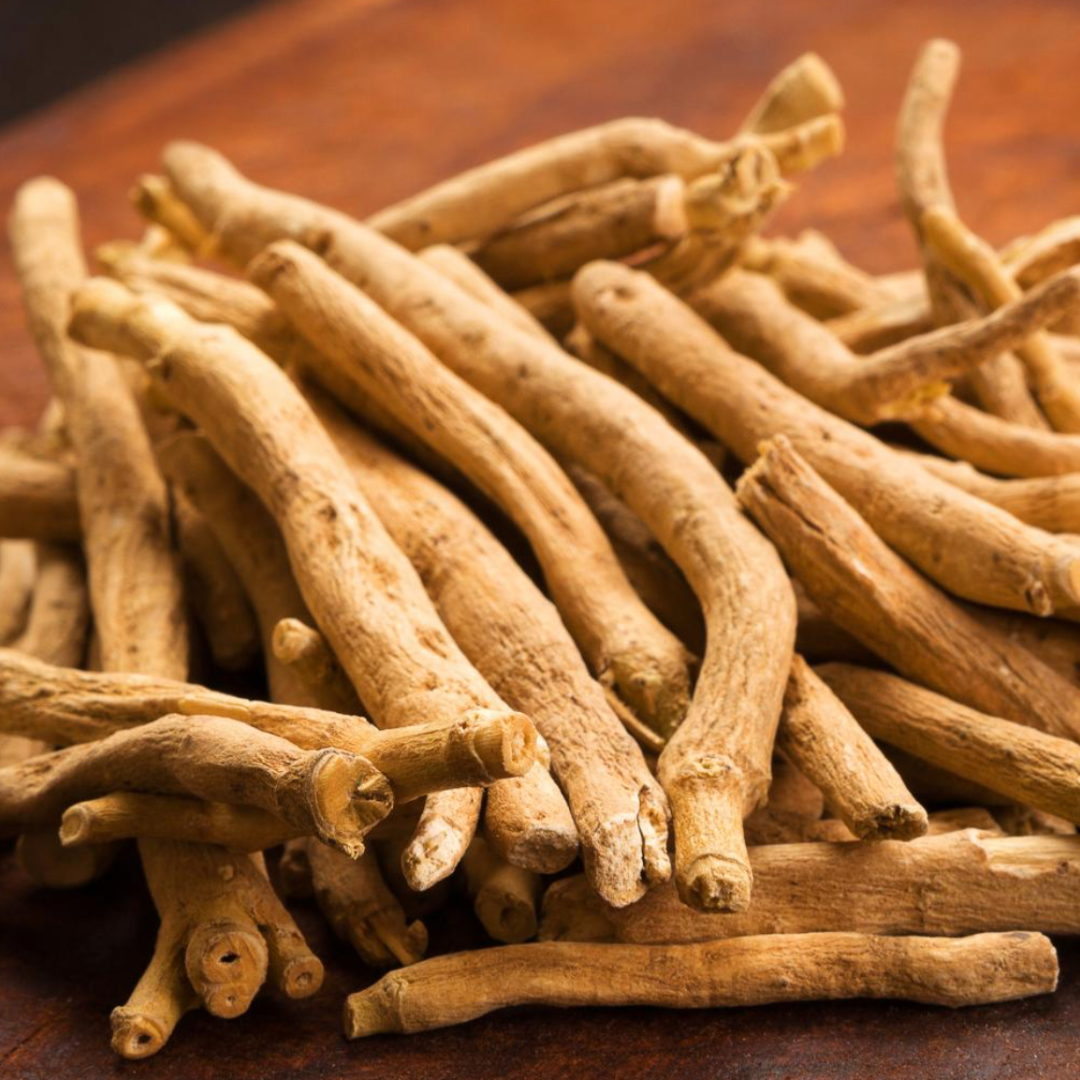
This root has become popular globally in recent years but it’s been central to Ayurvedic practice for over 3,000 years. Ashwagandha is classified as a rasayana, meaning a rejuvenating substance that promotes longevity and resilience. More practically speaking, it helps the body manage cortisol — the stress hormone — which is relevant for anyone dealing with chronic fatigue, poor sleep or anxiety.
It’s typically taken as a powder mixed with warm milk and honey before bed which also aligns with its calming properties. A few months of consistent use tends to be when people start noticing the difference — less reactive, more grounded, sleeping better.
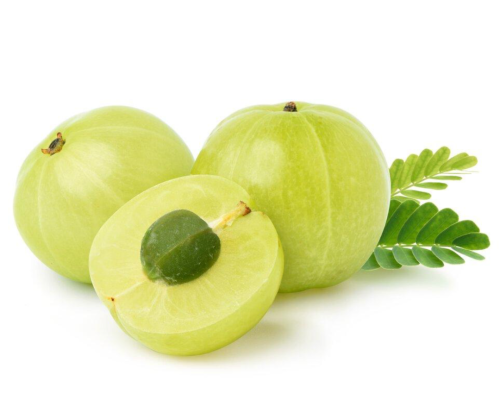
Amla is one of the three fruits in Triphala and is considered one of the highest natural sources of Vitamin C. What makes it particularly interesting from an Ayurvedic perspective is that unlike synthetic Vitamin C, the ascorbic acid in amla is said to be heat-stable which means it doesn’t break down easily during processing. Amla supports immunity, aids digestion, improves hair and skin health and is considered a potent liver tonic.
Fresh amla is available seasonally but the dried powder, juice and candy forms work well year-round. A small glass of amla juice on an empty stomach in the morning is a habit that many Ayurvedic practitioners swear by.
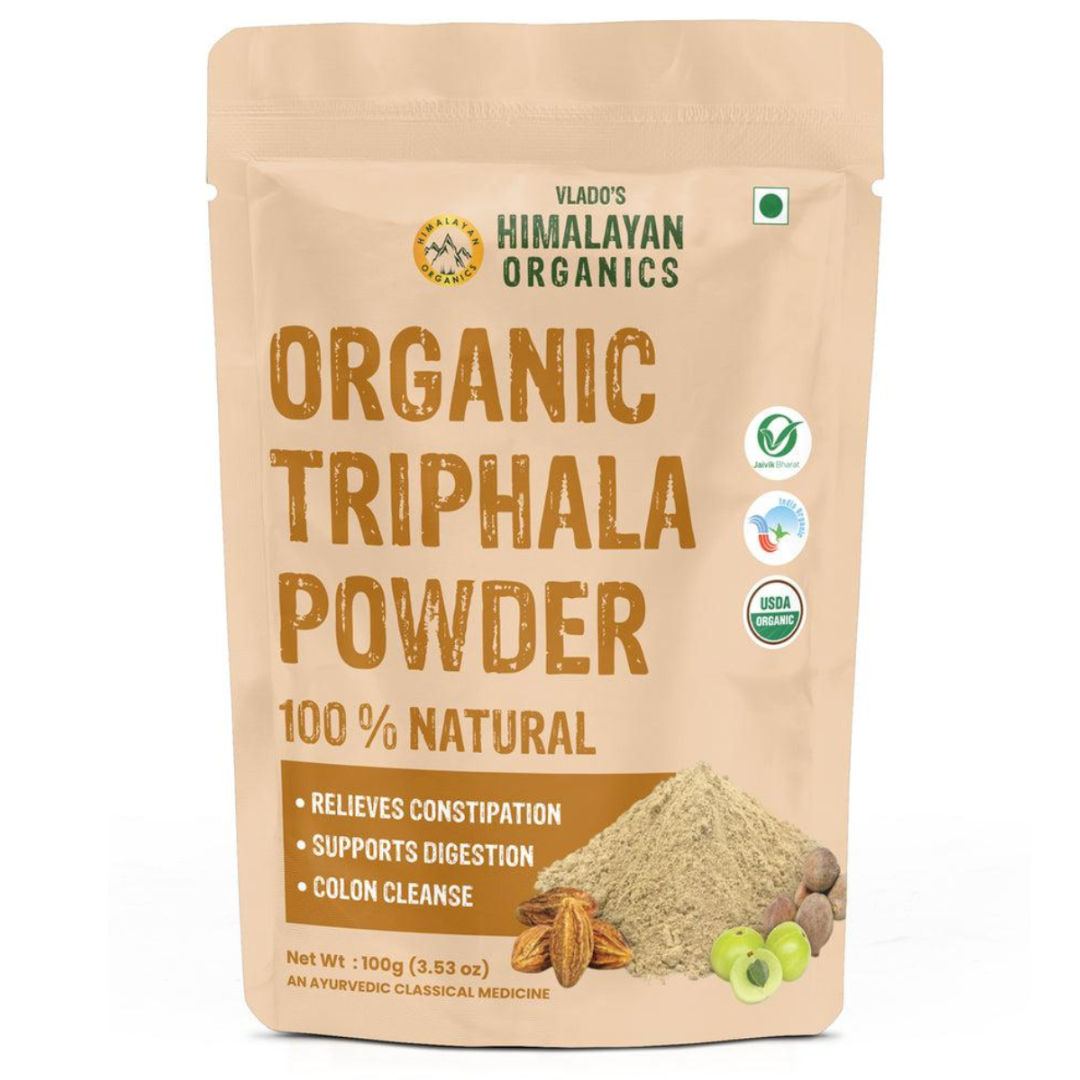
Triphala is technically a formulation rather than a single ingredient — a combination of amla, haritaki and bibhitaki — but it earns its place on this list because it’s one of the most well-rounded Ayurvedic foods for health in the entire system. It gently supports digestive regularity, acts as a mild detoxifier, nourishes the gut lining and is considered tridoshic, meaning it benefits all three Ayurvedic body types.
Most people take it as a warm water infusion at night, about two hours after dinner. It’s not a laxative in the harsh sense — it works more like a gentle reset for the digestive system which Ayurveda views as the root of most chronic health issues.
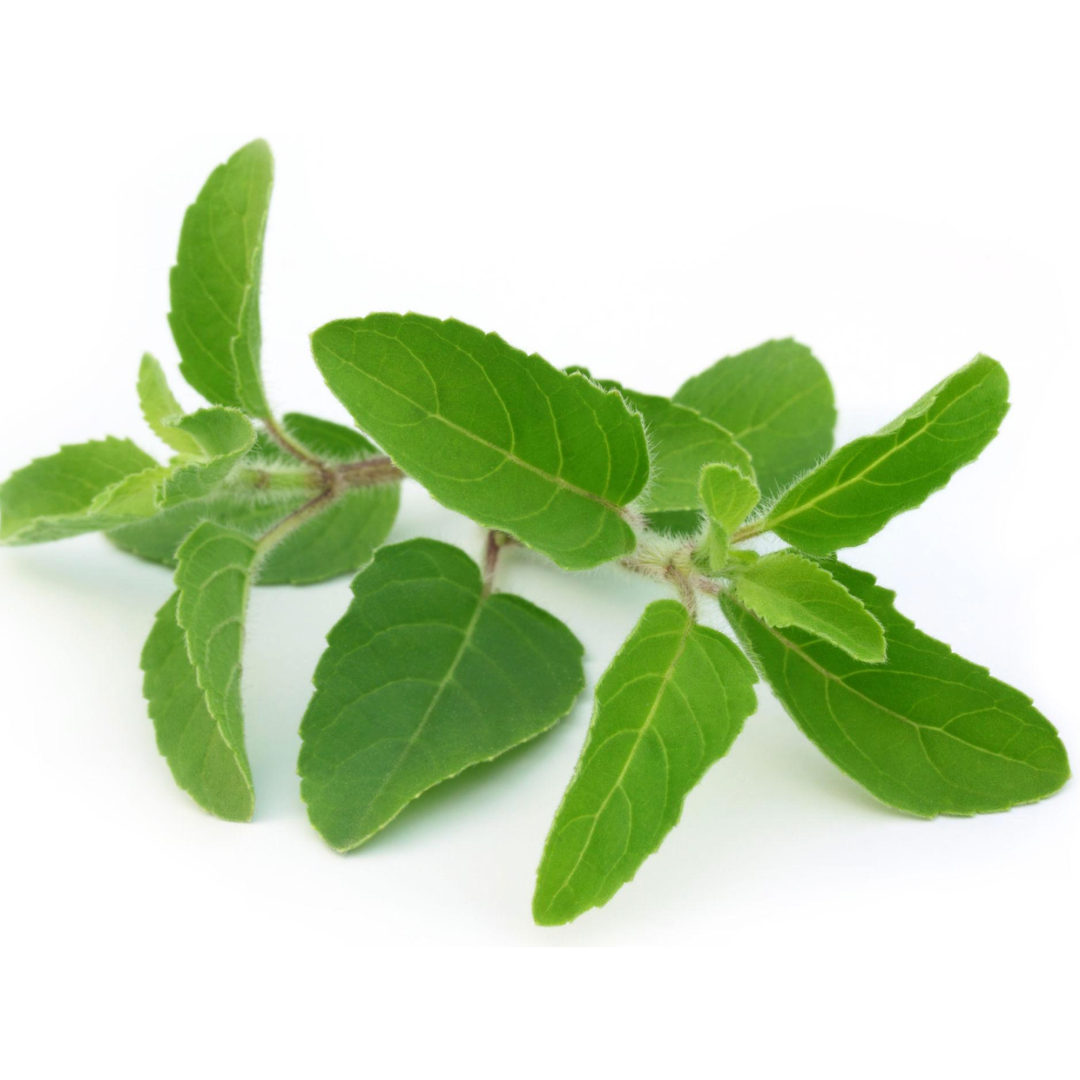
Tulsi is grown in most Indian households for a reason that goes beyond religion. As an adaptogen and immunity booster, it has remarkable breadth — antibacterial, antiviral, anti-inflammatory and calming to the nervous system. A few fresh leaves steeped in hot water make a simple tulsi tea that, taken daily, supports respiratory health, helps manage stress and keeps low-grade seasonal illnesses at bay.
Unlike some of the other herbs on this list, tulsi works quickly and noticeably. People who switch from regular tea to tulsi tea for a month often report feeling less foggy and more consistently energised.
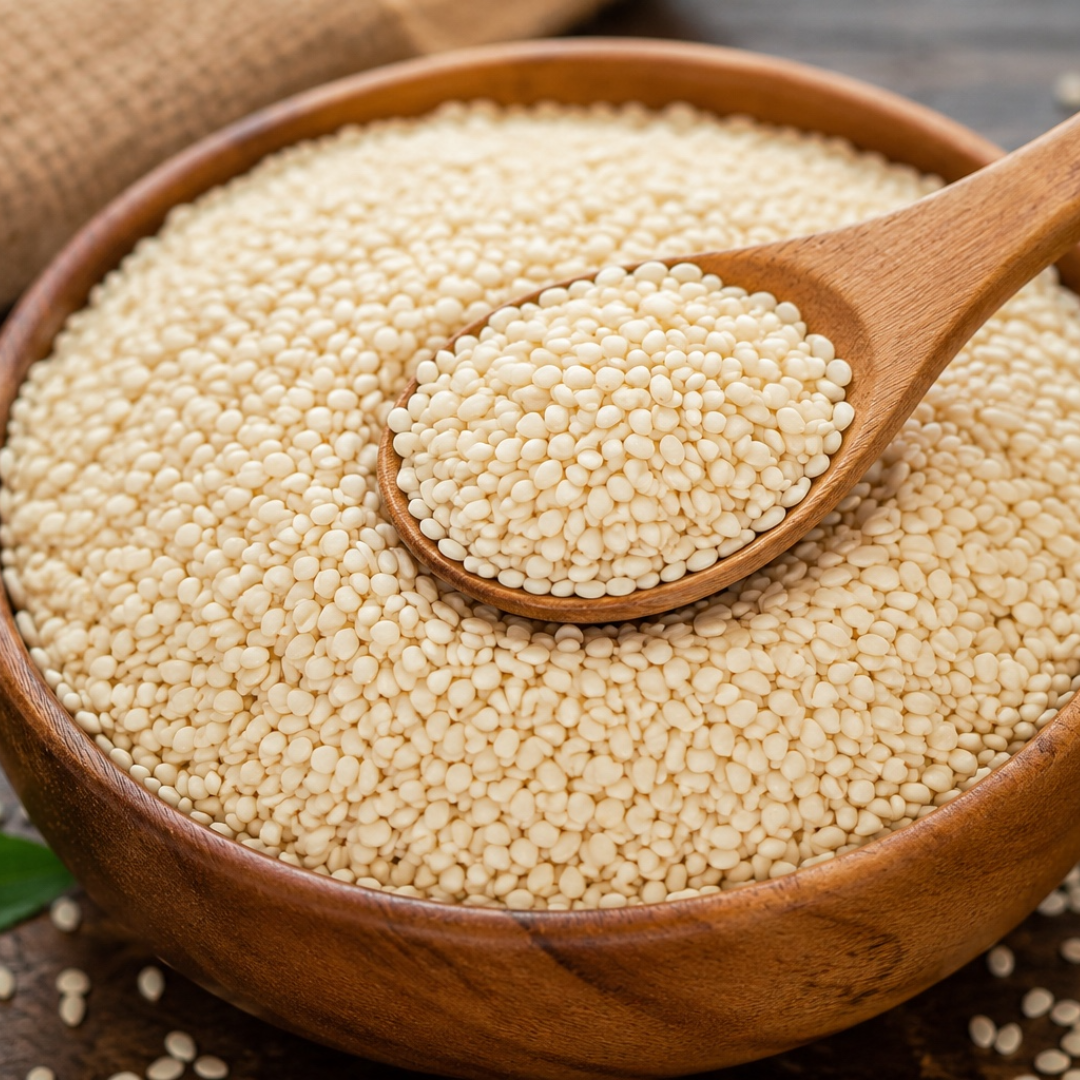
Black sesame seeds are a staple of Ayurvedic winter nutrition. They’re warming, rich in calcium, magnesium and healthy fats and particularly good for bone and joint health. In Ayurveda, they’re also used to pacify Vata dosha — the body-mind type associated with dryness, anxiety and irregular digestion.
Tahini, sesame ladoos or simply toasting a spoonful and adding it to your dal or rice — any of these forms work. Sesame oil is also used for oil pulling and abhyanga (self-massage) which speaks to how deeply embedded this ingredient is in Ayurvedic daily practice.
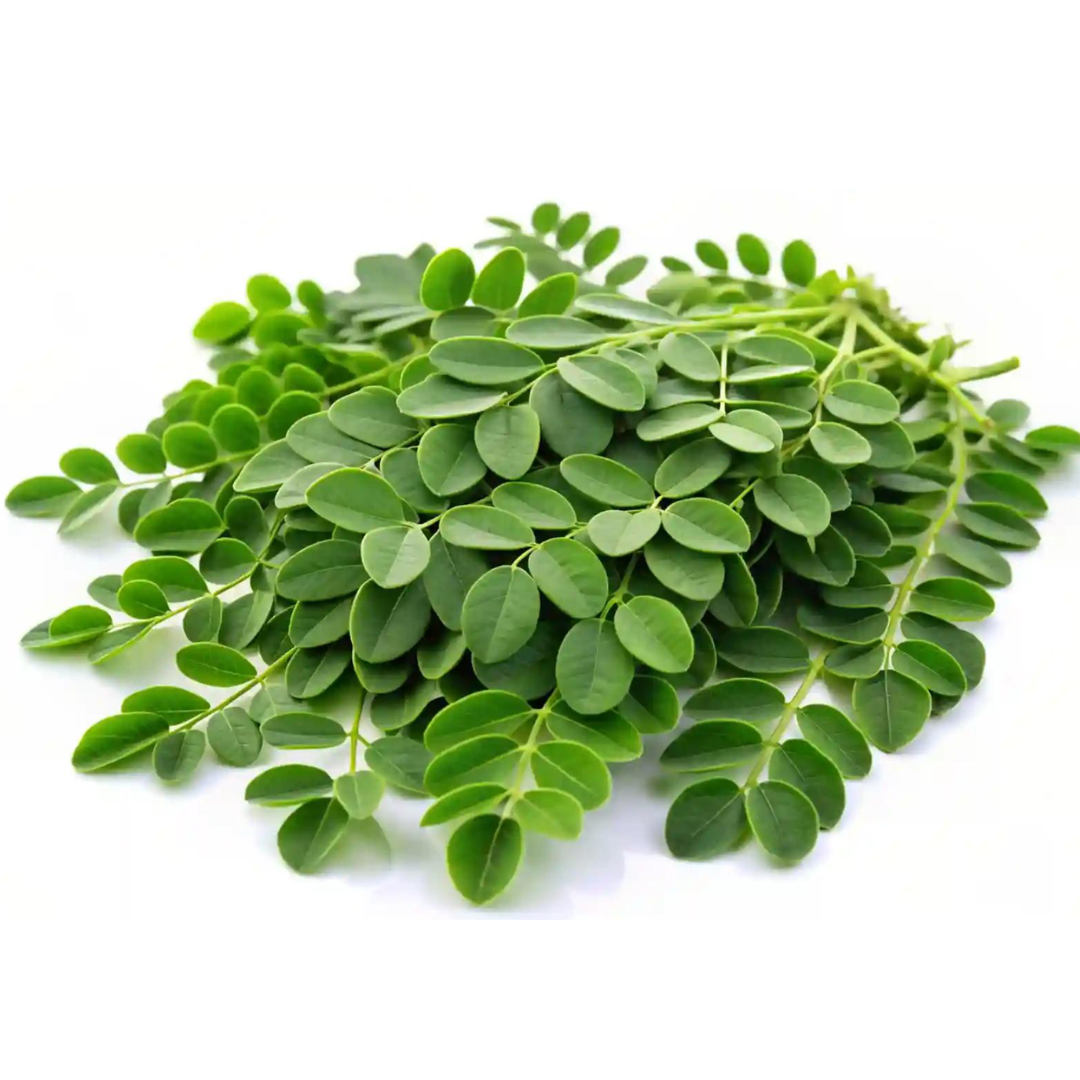
Moringa doesn’t always get the same attention as turmeric or ashwagandha but nutritionally, it’s exceptional. The leaves are rich in iron, calcium, Vitamin A, Vitamin C and several essential amino acids which are rare for a plant source. Ayurveda classifies moringa as deeply nourishing and particularly useful for people who feel chronically depleted or anaemic.
Moringa powder can be added to smoothies, soups or even a simple glass of warm water. The taste is earthy and slightly bitter which from an Ayurvedic standpoint is actually a good sign — bitter foods tend to be excellent for liver health and digestion.
Food is where Ayurvedic wellness starts — not in the treatment room but at the table and in the small daily choices that compound over months and years. Turmeric in the morning milk, amla on an empty stomach, a little ghee with your rice, tulsi tea instead of a second coffee — none of these are dramatic interventions. But done consistently, they shift the baseline.
For those who want to go beyond diet and experience what a full Ayurvedic reset feels like, The Neeraj Ganga Rajmahal Wellness Dream in Rishikesh offers exactly that kind of structured, immersive environment. Located by the Ganga with a private ghat just five minutes away, the retreat is built around personalised Ayurvedic care.
Every guest receives a detailed consultation with a certified Ayurvedic doctor and the treatment plans — whether for a 3-day, 5-day, 7-day or 10-day stay — are shaped around individual health goals, not a generic template. Meals at Rasikā Café are sattvic and specifically prepared to complement each guest’s programme which means the dietary principles discussed in this blog are integrated directly into what you eat during your stay. Panchakarma therapies, Marma treatments, daily yoga and meditation, classical music evenings and Ganga Aarti — all of it works together in a way that a daily home practice simply can’t replicate. So if you’ve been thinking about giving your body a proper reset, this is a good place to do it.